

Brand Photography vs Stock Photos: Why Custom Always Wins
Here's a scenario I see constantly: a business owner invests thousands in a beautiful website, writes compelling copy, sets up their marketing funnel — and then fills every image slot with stock photos from Unsplash or Shutterstock.
It's like putting premium fuel in a car with flat tires. The engine might be great, but you're not going anywhere fast.
I've spent eight years as a brand photographer watching businesses make this trade-off, and I've seen the data on what happens when they switch from stock to custom. The results are dramatic and consistent. Let me walk you through exactly why custom brand photography outperforms stock photos in every metric that matters to your business.
The Fundamental Problem With Stock Photos
Stock photos exist to be generic. That's their entire business model — create images so broadly applicable that thousands of businesses will purchase them. That universality is a feature for the stock photo company and a problem for your brand.
When a potential client lands on your website and sees a stock photo of a smiling woman at a laptop, they process it in one of two ways:
- They don't notice it at all. Their brain registers "generic business image" and moves on to the text. The image adds zero value.
- They've seen it before. If they've been browsing your competitors (and they have), they may have literally seen the same image on another website. That triggers a subconscious "this isn't real" response.
Neither outcome helps you.
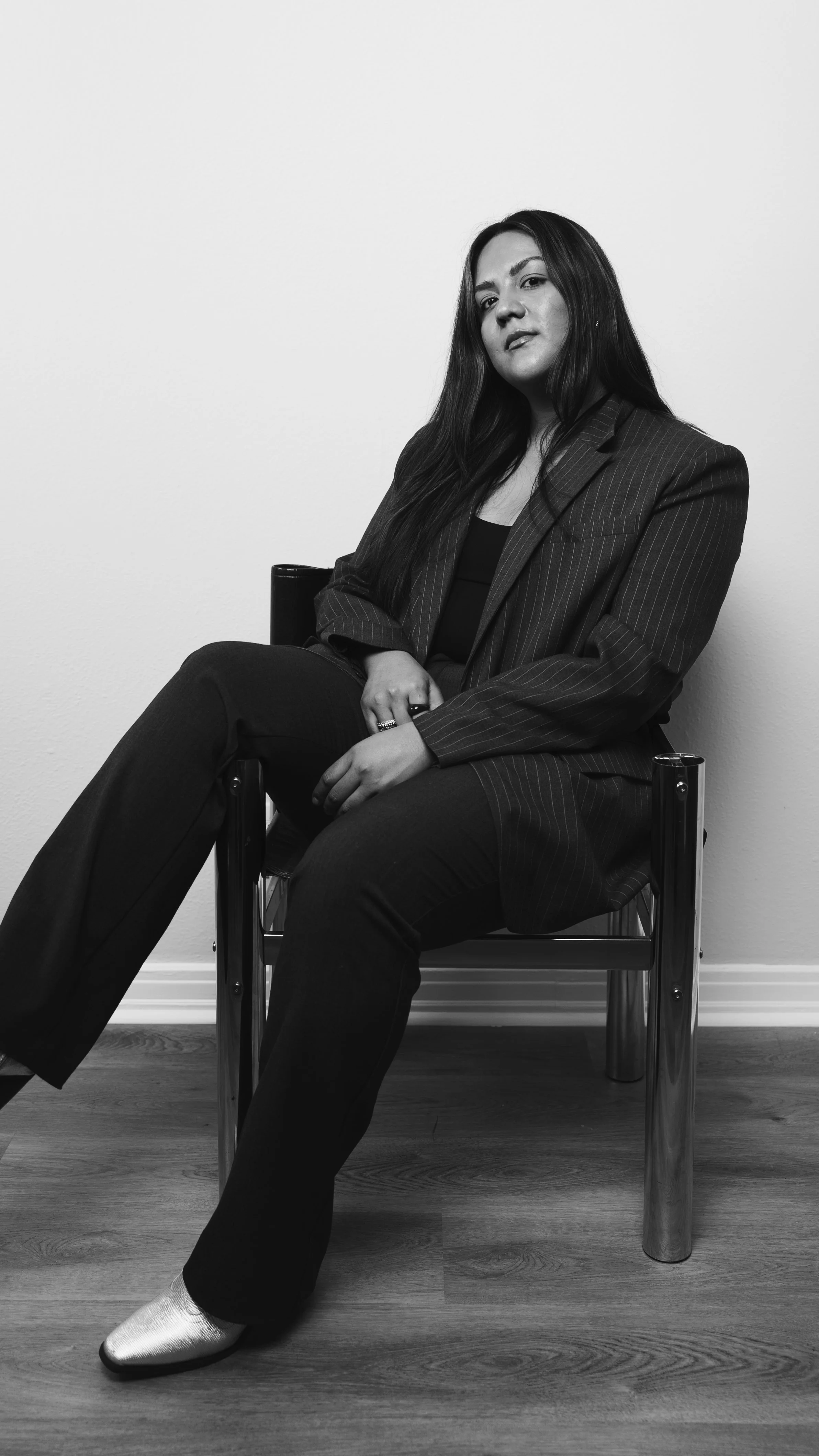
Custom brand photography flips this entirely. When a potential client sees your actual face, your real workspace, your genuine personality — something clicks. They start forming a connection before they've read a single word. That connection is the foundation of trust, and trust is what converts visitors into clients.
Head-to-Head Comparison: Brand Photography vs Stock
Authenticity
Stock photos: Carefully staged to look universally appealing. Models are chosen for broad demographics. Settings are deliberately nondescript. Everything is designed to be "close enough" for any business.
Brand photography: Your actual face, your real team, your genuine workspace, your authentic energy. Nothing is approximated — it's the real thing. When a client shows up to your office or hops on a Zoom call, they see the same person they saw on your website. That consistency builds trust before the relationship even starts.
Winner: Brand photography, by a mile.
Uniqueness
Stock photos: The most popular stock images appear on hundreds of thousands of websites. That "team meeting in a modern office" photo you love? It's also on your competitor's site. And their competitor's site. And a company in a completely different industry three states away.
Brand photography: These images exist nowhere else on the internet. They are uniquely, exclusively yours. This distinction matters more than most people realize — your visual identity should be as distinctive as your brand voice and your service offering.
Winner: Brand photography.
Brand Consistency
Stock photos: Every image comes from a different photographer, with different lighting, different color tones, different styling. Creating visual consistency across stock images requires extensive filtering and editing — and even then, the results feel patched together.
Brand photography: Every image is shot in a single session (or across sessions with the same photographer), creating a cohesive visual language. Same lighting style, same color palette, same mood. Your website, social media, email marketing, and print materials all feel like they come from the same brand. Because they do.
Winner: Brand photography.
Conversion Rates
Stock photos: Studies consistently show that websites using generic stock photography convert at lower rates than those with original imagery. A Marketing Experiments study found that replacing a stock photo with a real photo of the business owner increased conversions by 35%.
Brand photography: Real images of real people doing real work. This translates directly to trust, and trust translates directly to action. We've seen clients increase website conversion rates by 200–300% after replacing stock photos with custom brand photography.
Winner: Brand photography — and this is the metric that pays for everything.
Emotional Connection
Stock photos: Professional models projecting scripted emotions. Your audience can feel the difference even if they can't articulate it. There's a psychologist term for this — "the uncanny valley" of brand imagery. Something looks right but feels wrong.
Brand photography: Genuine expressions, real personality, authentic moments. When I shoot a brand session, I spend the first 20 minutes just talking with my client, making them comfortable, letting their natural energy emerge. The best brand photos don't look posed because they capture who you actually are.
Winner: Brand photography.
SEO Impact
Stock photos: Google's algorithms are sophisticated enough to recognize duplicate images across the web. When your images appear on thousands of other sites, they provide zero uniqueness signal. Stock photos don't hurt your SEO directly, but they certainly don't help it.
Brand photography: Original images are unique content. They can be optimized with descriptive, keyword-rich file names and alt text that's specific to your business. They appear in Google Image search results. They contribute to your page's overall quality signal. And since Google increasingly rewards original content of all types, custom imagery gives you an edge.
Winner: Brand photography.
Long-Term Value
Stock photos: You're licensing someone else's images. Licensing terms can change. Prices go up. Images get removed from libraries. And every year, the images that felt "fresh" when you selected them look increasingly dated as trends shift.
Brand photography: You own these images outright (with full commercial licensing from most brand photographers, including us). Use them anywhere, anytime, for as long as they remain relevant. Your only ongoing cost is refreshing your library as your brand evolves — which you should be doing anyway.
Winner: Brand photography.
The Numbers: What the Data Actually Says
Let me get specific with data points that should inform your decision:
- Websites with original images get 48% more views than those with stock photos (MDG Advertising)
- Real photos increase trust by 75% compared to stock alternatives (research from Stanford Web Credibility Project)
- Custom images receive 35% more engagement on social media than stock photos
- 67% of consumers say image quality is "very important" in their purchasing decisions (eMarketer)
- Websites with authentic photography have 2.5x longer average session duration compared to stock-heavy sites
These aren't marginal differences. The gap between stock and custom imagery is one of the largest performance differentials in digital marketing.
When Stock Photos Might Be OK
I'm a brand photographer, so you might expect me to say "never use stock photos." But I'm also a marketer, and I believe in being practical.
Here's when stock photos are an acceptable choice:
Blog Post Headers (Temporarily)
If you're publishing 4 blog posts per month and don't have brand photography for each topic, a relevant stock photo is better than no image. But even here, mixing in branded graphics or pulling from your brand photo library is stronger. Plan to phase out stock as your library grows.
Internal Documents
Team presentations, internal memos, training materials — if only your team sees it, stock is fine. Save your brand photography budget for client-facing materials.
Placeholder During Development
Building a new website and your brand photoshoot is scheduled for next month? Use stock as placeholder images and swap them out as soon as your real photos are ready. Just don't launch with stock and forget to update.
Conceptual or Abstract Imagery
Sometimes you need an image of something you can't easily photograph — a city skyline, a concept like "innovation," or a location you haven't visited. Stock fills these specific, narrow gaps without undermining your brand.
When Budget is Genuinely Zero
If you're pre-revenue and truly cannot afford any photography, quality stock photos are better than no photos. But even here, a few phone-quality authentic images may outperform stock in terms of connection and trust.
The Cost Comparison Over Time
Let's talk real numbers, because this is where the "stock is cheaper" argument falls apart.
Year One: Stock Photos
- Shutterstock subscription: $29–$199/month ($350–$2,400/year)
- Time spent searching and selecting: 2–4 hours/month ($200–$400/month at $100/hr)
- Diminishing returns as your content grows and stock feels increasingly generic
Annual real cost: $2,750–$7,200 (including your time)
Year One: Brand Photography
- 2 brand photography sessions: $1,500–$4,000
- 80–150+ unique, on-brand images
- Immediate improvement in conversion rates and engagement
Annual cost: $1,500–$4,000
The brand photography actually costs less — and delivers measurably better results. When you factor in the revenue impact of higher conversion rates, it's not even close.
By year two, the stock photo subscriber is still paying monthly and still getting generic content. The brand photography client has a growing library of unique assets and only needs occasional refresh sessions.

How to Make the Switch From Stock to Custom
If you're currently relying on stock photos and ready to upgrade, here's the smart transition plan:
Phase 1: High-Impact Pages First
Start with the pages that matter most — your homepage, about page, and main service pages. These are your highest-traffic, highest-conversion pages. Replacing stock with custom brand photography here will have the biggest immediate impact.
For your service pages, brand photography, headshots, and your about page should be the first to get the real-photo treatment.
Phase 2: Social Media Presence
Update your profile photos, cover images, and start integrating brand photos into your social media content. This creates consistency between your website and social channels, which reinforces brand recognition.
Phase 3: Blog and Email Content
Begin incorporating brand photos into your blog posts and email marketing. Even mixing one branded image into an otherwise stock-heavy blog post improves the perceived quality.
Phase 4: Full Library Build
After 2–3 brand photography sessions, you'll have enough images to go fully custom across all channels. At this point, cancel your stock photo subscription and redirect that budget toward your next shoot.
What to Look for in a Brand Photographer
Not all photographers who offer "brand photography" deliver strategic brand imagery. Here's what separates a brand photographer from a portrait photographer who takes business photos:
Strategy First
A true brand photographer asks about your business goals, target audience, and marketing plan before discussing camera settings. At Marmalade Media, our process starts with strategy because the most beautifully shot photo is worthless if it doesn't connect with your ideal client.
Variety and Versatility
Your brand photographer should deliver images that work across multiple channels and contexts — close crops for social media avatars, wide shots with negative space for website headers, action shots for blog posts, detail shots for Instagram. This versatility multiplies the value of every session.
Consistent Visual Language
Look at a photographer's portfolio. Do their images have a consistent style, or does every shoot look completely different? Consistency means they have a defined aesthetic that will translate into a cohesive visual identity for your brand.
Marketing Awareness
The best brand photographers understand marketing. They know that website hero images need to work with text overlays. They know that Instagram posts perform best with certain compositions. They know that ad creative needs to stop the scroll in a fraction of a second. This awareness should inform every shot they take.
The Bottom Line
Stock photos are convenient. Brand photography is effective.
If your business depends on trust, connection, and standing out from competitors — and whose doesn't? — custom brand photography isn't a nice-to-have. It's infrastructure. It's the visual foundation that every piece of your marketing is built on.
The businesses that invest in authentic visual identity outperform the ones that don't. I've watched this play out hundreds of times over eight years. The data supports it. The conversion rates prove it. The client feedback confirms it.
You don't need to replace every stock photo overnight. But the sooner you start building a library of authentic, strategic brand imagery, the sooner every part of your marketing gets stronger.
Ready to see what your brand looks like when it's photographed with strategy? Book a free strategy call and let's map out a plan that fits your business, your goals, and your budget.