
Building a Chef Press Kit: The Photos Media Actually Ask For
When a food editor, festival organizer, or podcast producer decides to feature you, they will ask for your press kit — and the quality of what you send back often decides whether the feature happens, and how prominent it is. A strong kit makes you easy to say yes to. A weak one, or a scramble to find a usable photo, makes an editor move on to the next chef.
The good news: a chef press kit is a solvable checklist. Here is what media outlets actually ask for, and how to build a kit that gets you featured.
The Three Photos Every Kit Needs
1. A High-Resolution Chef Portrait or Headshot
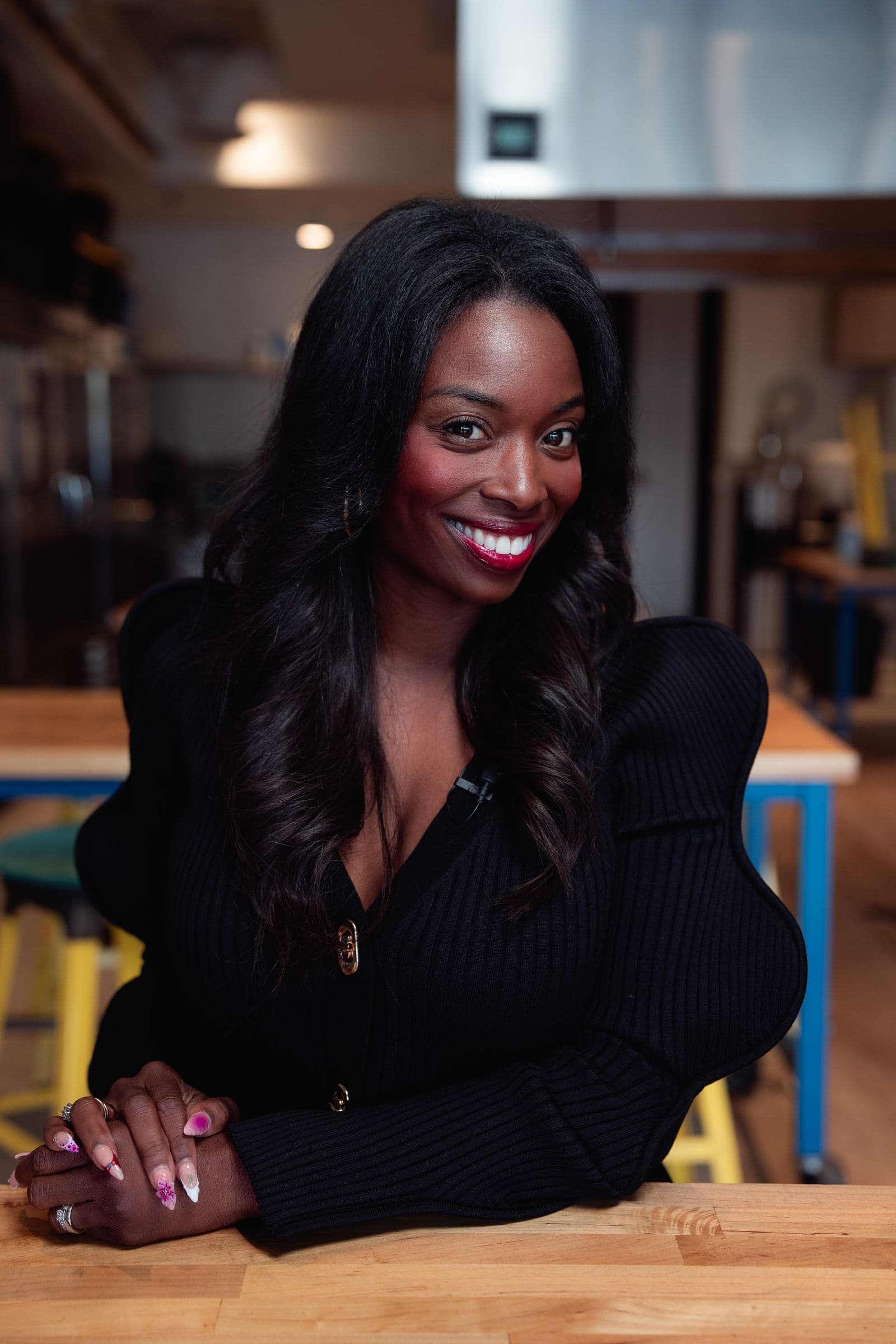
This is the anchor. Editors need a clean, professional portrait of you — high resolution, simple background, and a natural, characterful expression that works at both large print sizes and small web thumbnails. A press portrait is shot with editorial use in mind from the start, which is very different from cropping a casual snapshot. Deliver it in both vertical and horizontal crops so it fits whatever layout an editor is working with. Our personal branding photography is built around portraits like these, and a dedicated headshot covers the clean, standalone version.
2. Kitchen-at-Work Imagery
Static portraits tell an editor who you are; kitchen-at-work images tell them what you do. Documentary-style shots of you cooking, plating, and leading service convey craft and passion in a way a posed photo cannot. These are the images that make a feature feel alive, and they are frequently what a publication chooses for the lead photo. This is where authentic brand photography of your real kitchen matters — it is the difference between a story and a stock cliché.
3. Plated Signature Dishes
Finally, the food. A set of your signature dishes, styled and photographed to look the way guests actually receive them, rounds out the kit and gives an editor options for the piece. Clean, high-resolution dish photography is a press-kit staple and does double duty across your menu, website, and social media.
What Separates a Great Kit From a Usable One
The essentials get you in the door. These details get you the better feature:
- Multiple orientations. Editors work to different layouts. Horizontal for banners and leads, vertical for profiles, plus a little breathing room to crop.
- Clean, uncluttered backgrounds. Busy backgrounds are hard to place and read poorly at small sizes.
- A few team and environment shots. Context imagery of your restaurant and team gives a story more to work with.
- Proper resolution and formats. High-resolution files at print quality, in standard formats, delivered ready to send.
- Consistency. A kit that looks like it came from one cohesive shoot signals a professional operation.
Because these all come from the same visual world, the efficient move is to capture them together. This is exactly what our chef branding photography is designed to produce — a complete, press-ready library from a single coordinated visit.
Assemble It Before You Need It
The chefs who get the most press are the ones who can respond to an editor within the hour, kit in hand. Building it reactively — hunting for a decent photo the night before a deadline — is how good opportunities slip away. Shoot it once, organize it, and keep it ready.
If you are still deciding what kind of imagery your brand needs first, our breakdown of chef portraits vs food photography is a good place to start, and a strategy call is where we scope and quote the session itself.
Frequently Asked Questions
What photos should a chef press kit include?
At minimum: a high-resolution chef portrait or headshot, kitchen-at-work images that show you in your element, and a set of plated signature dishes. Strong kits also include a horizontal option for banners, a clean vertical portrait, and a few team or restaurant environment shots. The goal is to give an editor everything they might need without asking you for more.
What resolution and format do media outlets want?
High-resolution files — generally at least 300 DPI at print size — in standard formats like JPG or TIFF, with both horizontal and vertical crops. Editors work to different layouts, so delivering a range of orientations and a clean, uncluttered background makes your images easy to place. We deliver press-ready files formatted for exactly this.
How is a press-kit headshot different from a regular headshot?
A press headshot is shot and delivered with editorial use in mind: high resolution, clean background, room to crop to multiple shapes, and a natural, characterful expression. It needs to work at large print sizes and small web thumbnails alike, which is why planning it for press from the start beats repurposing a casual photo.
Can you shoot a full chef press kit in one session?
Yes. A single coordinated visit can capture your portrait and headshots, kitchen-at-work imagery, and plated dishes, plus a few team and environment shots. Planning it as one shoot keeps the look cohesive and gives you a complete, ready-to-send press kit rather than a patchwork of images gathered over time.
Ready to put together a press kit that gets you featured? Book a free strategy call and we will plan the portraits, kitchen imagery, and dish shots media outlets ask for.