

What Is Brand Photography? Everything You Need to Know
If you've heard the term "brand photography" and wondered what it actually means — or how it's different from just getting your picture taken — you're in the right place.
Brand photography has become one of the most important marketing investments a business can make, but there's still a lot of confusion about what it includes, who needs it, and why it matters. As someone who's been shooting brand photography for over eight years, I'm going to break it all down.
Brand Photography: The Definition
Brand photography is a strategic collection of professional images that visually communicate your brand's identity, personality, values, and story.
That's the formal definition. Here's the simpler version:
Brand photography is a planned photoshoot designed to give your business a library of images that make your marketing look professional, feel authentic, and actually convert visitors into clients.
It's not just "getting photos taken." It's photographing your brand with intention — every image serving a purpose in your marketing ecosystem.
The key word is strategic. A random collection of pretty photos isn't brand photography. A thoughtfully planned set of images that tells a cohesive story about your business, connects with your target audience, and supports your marketing goals? That's brand photography.
What Brand Photography Includes
Brand photography is broader than most people realize. It's not just headshots (though those are part of it). Here are the main types of images captured in a comprehensive brand photography session:
Professional Headshots
Your face is your brand's most recognizable asset. Professional headshots are the foundation of your visual identity — they appear on your website, social media profiles, LinkedIn, email signature, business cards, speaker pages, podcast guest profiles, and press features.
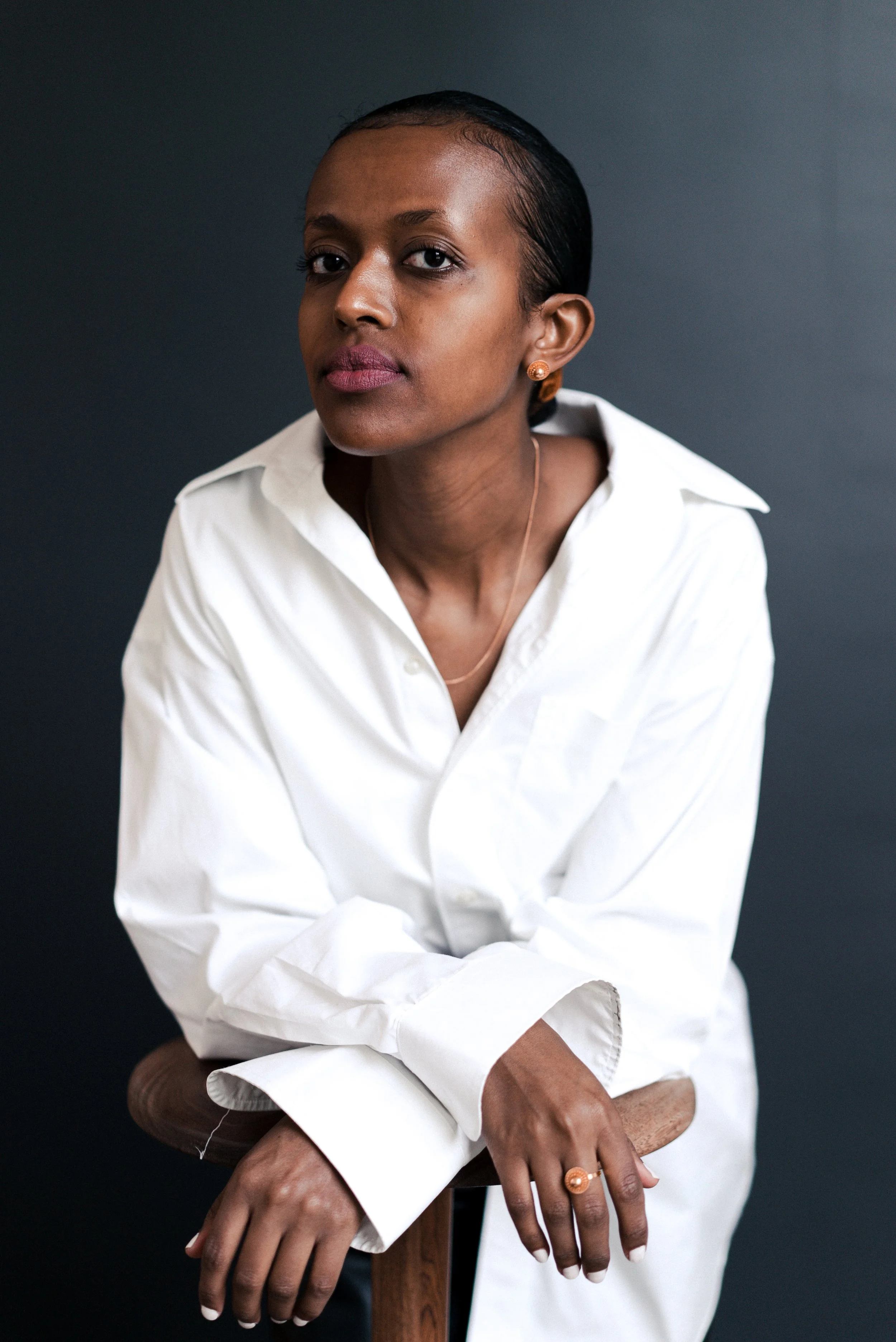
A brand headshot is different from a corporate headshot. Corporate headshots are standardized — same background, same lighting, same framing for every employee. Brand headshots reflect your personal brand energy. They show personality, warmth, and the specific vibe your ideal client should feel when they see you.
Lifestyle Images
These show you in action — working at your desk, meeting with clients, creating your product, leading a workshop, or simply existing in spaces that reflect your brand. Lifestyle images create context. They answer the question: "What is it like to work with this person?"
Lifestyle images are the workhorses of social media content. They're relatable, engaging, and they perform significantly better than static posed portraits.
Workspace and Environment Photos
Your workspace tells a story. A clean, organized desk says "attention to detail." A creative studio with mood boards and art supplies says "creative thinker." A welcoming consultation room says "safe space."
These images are powerful on your about page, service pages, and in social media content. They give people a sense of place and help them envision themselves in your space — which is especially important for service businesses where clients come to you.
Product and Service Photography
If you sell physical products, brand photography includes styled product shots that match your overall brand aesthetic. If you're a service provider, this might mean photos of your process — the tools you use, documents you create, spaces you work in.
For Marmalade Media, this means photos of cameras, editing stations, lighting setups, and behind-the-scenes action on set. For a baker, it's styled shots of finished products and in-process baking moments. For a consultant, it's a styled desk with notebooks, a laptop, and elements that communicate expertise.
Team and Culture Images
If you have a team, brand photography captures the human side of your business — team meetings, collaboration, candid moments, and individual portraits. These images build trust by showing that real, likable humans are behind the business name.
Even if you're a solo business, "team" photos might mean capturing you with your clients (with permission), your collaborators, or your mentors.
Behind-the-Scenes Content
BTS images pull back the curtain and show how you work. They're gold for social media because they satisfy people's natural curiosity about process and craftsmanship.
A chef prepping ingredients. An artist mixing paint. A photographer adjusting lights. A coach mid-session with a client. These moments feel authentic because they are — and that authenticity builds the kind of trust that polished final-product images alone can't create.
Detail and Flat Lay Shots
Close-up images of branded materials, products, tools, textures, and curated arrangements. These fill gaps in your content calendar and work beautifully for Instagram grids, blog post headers, email banners, and graphic design backgrounds.
Common flat lay subjects: business cards, branded packaging, notebooks, laptops, coffee cups, flowers, product ingredients, and tools of your trade.

How Brand Photography Differs From Portrait Photography
This is one of the most common confusion points, so let me be clear.
Portrait Photography
- Focus: How you look
- Output: A small set of posed images (typically 5–15)
- Planning: Minimal — show up, get photographed
- Usage: Profile pictures, family albums, personal milestones
- Strategy: None — the goal is a flattering image
Brand Photography
- Focus: Who you are as a business
- Output: A comprehensive library of images (typically 30–75+)
- Planning: Extensive — strategy session, mood board, shot list, wardrobe planning
- Usage: Website, social media, ads, email, print, PR — everywhere your brand appears
- Strategy: Every image planned to serve a specific marketing purpose
A portrait photographer makes you look good. A brand photographer makes your business look credible, your marketing look professional, and your brand look irresistible to your ideal client.
That's not to diminish portrait photography — it's a different craft with different goals. But if you're investing in photos for your business, you need the strategic approach that brand photography provides.
Why Your Business Needs Brand Photography
You might be thinking: "I already have a decent headshot and some photos on my phone. Do I really need this?"
Here's why the answer is yes.
1. First Impressions Are Visual
When someone discovers your business — through Google, Instagram, a referral, or an ad — they form an impression within 50 milliseconds. That impression is almost entirely visual. Before they read a single word on your website, they've already decided whether your business feels trustworthy, professional, and relevant to them.
Generic stock photos or amateur snapshots create a generic impression. Custom brand photography creates a specific, intentional impression that aligns with your brand and resonates with your ideal client.
2. Trust Is Built Through Familiarity
People buy from people they feel they know. Brand photography creates that feeling of familiarity before you've ever met. When a potential client has seen your face on your website, your Instagram, your email newsletter, and your ads — by the time they book a call with you, they already feel like they know you. That trust shortens the sales cycle and increases conversion rates.
3. Consistency Builds Brand Recognition
When every touchpoint — website, social media, email, ads, print — features cohesive, professionally photographed images, your brand becomes instantly recognizable. This consistency compounds over time. After seeing your brand imagery across multiple channels, your ideal client starts recognizing your content immediately, even before reading your name.
4. Content Creation Becomes Effortless
One of the biggest challenges in marketing is creating enough quality visual content to maintain consistent presence across all channels. A single brand photography session gives you 3–6 months of content. No more scrambling for something to post. No more using the same headshot for the fifteenth time. No more awkward phone selfies as a substitute for professional imagery.
5. You Stand Out From Competitors
Most businesses in most industries still rely on stock photos, phone snapshots, or outdated professional headshots. Custom brand photography immediately elevates you above that standard. You look more established, more credible, and more invested in your business — because you are.
How to Use Your Brand Photos
Your brand photography library should work across every marketing channel. Here's where each type of image performs best:
Website
- Homepage: Hero image (wide shot with space for text overlay), featured images that establish your brand vibe
- About page: Warm, personality-forward images that tell your story
- Service pages: Action shots showing you doing the work
- Blog: Headers, in-content images that support the topic
- Contact page: Approachable, inviting image that encourages visitors to reach out
- Testimonials: Your image alongside client testimonials adds visual credibility
Social Media
- Profile photo: Your strongest headshot, consistent across all platforms
- Feed posts: Lifestyle images, behind-the-scenes, workspace shots, flat lays
- Stories/Reels covers: On-brand images that maintain grid aesthetics
- LinkedIn articles: Professional images that match the platform's tone
Email Marketing
- Email signature: Professional headshot
- Newsletter headers: Branded images that match campaign themes
- Welcome sequence: Personal, warm images that build connection from the first email
Paid Advertising
- Social media ads: Authentic, scroll-stopping images that don't look like stock
- Google Display ads: Professional imagery that builds credibility at first glance
- Retargeting: Familiar brand images that reinforce recognition
Print and Physical Materials
- Business cards: Headshot or brand mark with professional imagery
- Brochures and flyers: Consistent brand imagery across print collateral
- Event materials: Banners, name tags, presentation slides
PR and Media
- Press kits: Ready-to-publish headshots and brand images for media features
- Speaking engagements: Professional photos for event pages and promotional materials
- Podcast appearances: Headshots and images for show notes and social promotion

The Strategy-First Approach
Here's what separates average brand photography from brand photography that drives business results: strategy.
At Marmalade Media, every brand photography session starts with a strategy conversation — not a camera. Before we discuss poses, locations, or wardrobe, we talk about:
- Your target audience: Who are you trying to attract? What do they value? What visual language resonates with them?
- Your brand positioning: Where do you sit in your market? Premium? Accessible? Disruptive? Established?
- Your marketing goals: What specific actions do you want people to take when they see your images?
- Your content plan: Where will these photos be used over the next 3–6 months?
- Your brand personality: What adjectives describe your brand? Bold? Warm? Sophisticated? Playful?
This strategic foundation shapes every creative decision — from the color palette of your wardrobe to the specific compositions we capture. The result is a photo library where every single image earns its place in your marketing.
How Often to Update Your Brand Photos
Your brand photos have a shelf life. Here's when to refresh:
Every 6–9 Months (Ideal)
If you're actively marketing your business, posting on social media regularly, running ads, and sending email newsletters, you need fresh content every 6–9 months. Quarterly sessions are even better — they give you seasonal variety and ensure you always have recent, relevant images.
At Minimum, Annually
Even if your marketing is minimal, update your brand photography at least once a year. Your appearance changes, trends shift, and last year's photos start feeling stale. Annual updates keep your brand current.
Immediately If:
- You've changed your brand identity (colors, logo, positioning)
- You've moved to a new location
- You've added new services or products
- Your appearance has changed significantly
- You're entering a new market or targeting a new audience
- Your current photos are more than 18 months old
Getting Started With Brand Photography
If you've never invested in brand photography, here's your starting roadmap:
Step 1: Clarify Your Brand
Before contacting a photographer, get clear on your brand basics — your target audience, your core message, your visual identity, and your differentiators. If you're fuzzy on these, your photos will be fuzzy too.
Step 2: Find the Right Photographer
Look for someone who specializes in brand photography, not a generalist who includes it as a side offering. Review their portfolio for consistency, strategic variety (not just pretty poses), and work in your industry or a similar one.
Step 3: Book a Strategy Call
The right photographer will want to talk strategy before talking pricing. If their first question is "when do you want to shoot?" instead of "tell me about your business," keep looking.
Step 4: Prepare Intentionally
Follow our preparation checklist to show up ready for a productive session. Plan your wardrobe by industry, gather props, and create a mood board.
Step 5: Use Your Photos Everywhere
The most expensive brand photography is the brand photography that sits unused in a Google Drive folder. Deploy your images immediately across your website, social media, email marketing, and ads. Maximize the return on your investment by using your photos actively and consistently.
The Bottom Line
Brand photography isn't vanity — it's infrastructure. It's the visual foundation that every piece of your marketing is built on. When your imagery is strategic, professional, and authentically you, everything else works harder — your website converts better, your social media engages more, your ads perform stronger, and your brand becomes unmistakably recognizable.
In a world where every business is competing for attention online, custom brand photography is one of the few investments that simultaneously builds trust, drives conversions, and separates you from everyone else in your market.
Ready to build your brand's visual identity with strategy behind every shot? Book a free strategy call and let's talk about what brand photography can do for your business.
For a detailed look at what brand photography costs, check out our complete pricing guide.