

What to Wear for Brand Photography: Style Guide by Industry
The question I get asked most often in the weeks before a brand photoshoot: "What should I wear?"
And I love this question, because wardrobe is one of the highest-leverage variables in brand photography. The right outfit choices can make your photos look effortlessly polished, on-brand, and versatile. The wrong choices can date your photos, distract from your message, or make you feel self-conscious — which shows up in every frame.
After eight years and hundreds of brand sessions, I've developed wardrobe guidance that works across every industry. Here are the universal rules, followed by specific recommendations for the industries I work with most.
Universal Wardrobe Rules for Brand Photography
These apply regardless of your industry, brand aesthetic, or personal style.
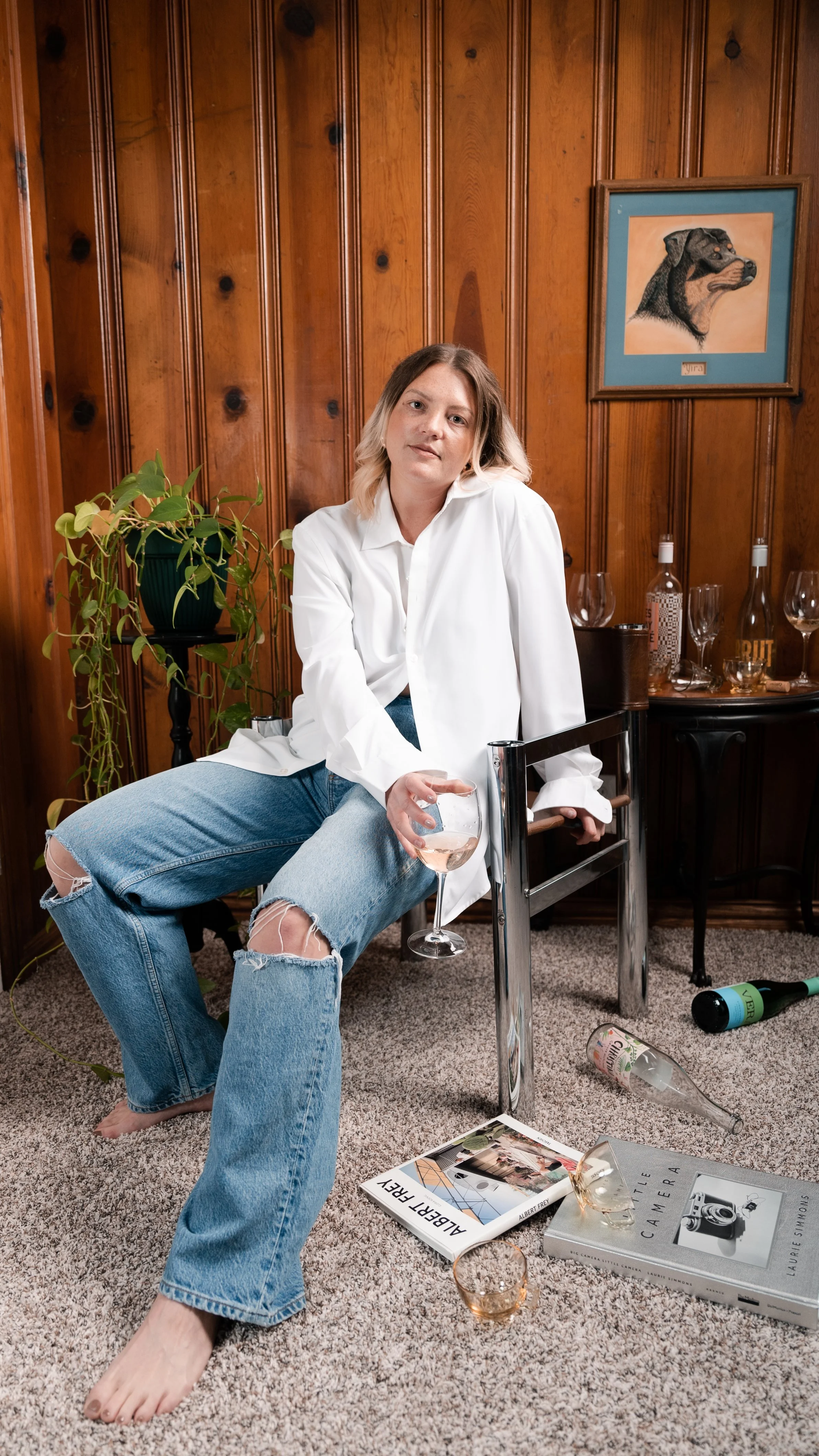
1. Solid Colors Are Your Foundation
Solid colors keep the viewer's eye on you — your face, your expression, your energy. They're also the most versatile for different platforms and uses. A photo of you in a solid navy blouse works as a LinkedIn headshot, a website hero image, a social media post, and a business card. A busy patterned top works for... maybe one of those.
Best solid colors for photos:
- Navy blue (universally flattering, communicates trust)
- White and cream (clean, fresh, works with any brand palette)
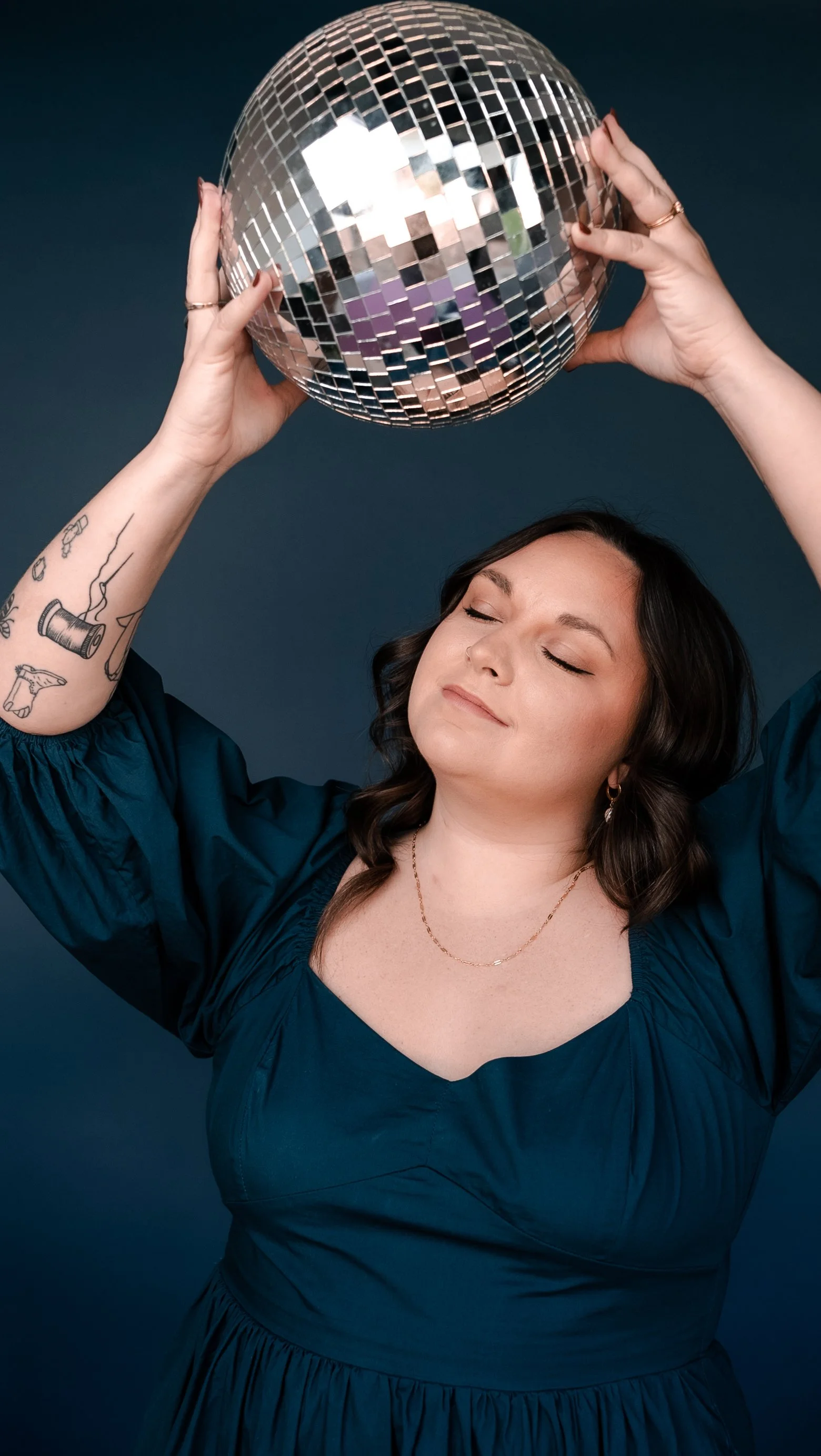
- Emerald green (rich, vibrant, photographs beautifully on all skin tones)
- Rust and terracotta (warm, approachable, on-trend without being trendy)
- Blush pink (soft, feminine, great for wellness and creative brands)
- Charcoal (sophisticated alternative to black, retains detail on camera)
- Burgundy (bold, confident, excellent for fall/winter content)
2. Avoid Small, Busy Patterns
This is a technical issue, not just an aesthetic one. Small patterns — thin stripes, tiny checks, miniature polka dots, houndstooth — create something called a moire effect on camera. It's a visual distortion that makes the pattern appear to shimmer or vibrate. It looks terrible in photos and can't be fixed in editing.
Pattern exceptions that work well:
- Large-scale florals (bold, confident)
- Wide stripes (at least 1-inch width)
- Color-blocked pieces
- Subtle textures (tweed, herringbone in larger scales, ribbed knits)
3. Fit Is Everything
The most expensive designer outfit looks bad if it doesn't fit your body properly. The most basic solid tee looks amazing if it fits like it was made for you.
Fit checkpoints:
- Shoulders sit where your shoulders actually are (not drooping or pulling)
- Sleeves hit at the right spot (wrist bone for long sleeves, mid-bicep for short)
- Nothing pulls, gaps, or bunches when you sit, stand, or move
- You can breathe, reach, and gesture without restriction
- You feel good. This matters more than anything. If you're tugging at your outfit all day, it shows in your body language.
4. Layers Create Versatility
The simplest way to multiply your looks: layer intentionally.
The formula:
- Base layer: Simple top (tank, tee, blouse)
- Mid layer: Blazer, cardigan, vest, denim jacket
- Add/remove: Removing the mid layer creates a completely different look with zero wardrobe change time
Three outfits with strategic layering can create 6–8 distinct looks. That's 6–8 months of unique social media headers from one session.
5. Accessorize with Purpose
Accessories add personality, but they should enhance your brand story, not compete with it.
Accessories that photograph well:
- Simple necklaces (avoid pieces that catch too much light and create glare)
- Stud or small hoop earrings
- A quality watch
- Delicate bracelets
- Glasses (if you wear them daily — your audience should see the real you)
Accessories to avoid or minimize:
- Large statement necklaces (can overpower your face in close-up shots)
- Highly reflective jewelry (creates distracting light spots)
- Sunglasses on your head (casual, but can look accidentally sloppy)
- Lanyards, badges, or ID holders (remove before shooting)
6. Shoes Matter (Even If You Think They Won't Show)
Full-length shots, walking shots, seated crossed-leg shots, detail shots of your workspace — shoes appear in more frames than people expect. And cheap or worn shoes undermine an otherwise polished look.
Bring:
- One polished pair (heels, dress shoes, clean boots)
- One casual pair (clean white sneakers, loafers, stylish flats)
- Comfortable shoes for between setups
Industry-Specific Wardrobe Guides
Coaches, Consultants, and Service Providers
Your visual message: "I'm an expert you can trust, and I'm approachable enough to actually work with."
What works:
- Blazers (fitted, modern cuts — not boxy power suits from 2010)
- Elevated basics: quality tees under structured jackets
- Smart-casual dresses with clean lines
- Colors: navy, white, camel, soft pastels, your brand accent color
- Minimal, quality jewelry
What to avoid:
- Full corporate suits (too formal for the coaching/consulting brand in 2026)
- All-black everything (reads as serious but unapproachable)
- Overly casual (hoodie and jeans sends the wrong trust signal)
Outfit formula: Well-fitted dark jeans or tailored pants + quality solid top + blazer + clean shoes. Remove blazer for casual variation.
Fitness and Wellness Professionals
Your visual message: "I'm healthy, energetic, and I practice what I preach."
What works:
- Quality athletic wear (solid colors, no giant logos)
- Athleisure that bridges workout and everyday
- Tank tops and fitted tees that show your physique tastefully
- Bright, energetic colors (coral, electric blue, fresh green)
- One "dressed up" outfit for your headshot and about page
What to avoid:
- Worn-out gym clothes (there's a difference between athletic and sloppy)
- Heavily branded athletic wear with competitor logos
- Only workout clothes — show range with at least one lifestyle outfit
- Overly revealing outfits that make the photo about your body rather than your brand
Outfit formula: High-quality matching athletic set + clean sneakers for action shots. Add a casual jacket or pullover for lifestyle shots. Include one polished casual outfit for headshots and professional contexts.
Beauty, Skincare, and Hair Professionals
Your visual message: "I'm creative, on-trend, and my aesthetic is impeccable."
What works:
- Fashion-forward pieces that reflect current trends
- Bold colors and confident choices
- All-black done well (with texture and dimension)
- Statement accessories that show personal style
- Patterns can work here — your industry celebrates visual boldness
What to avoid:
- Dated silhouettes (what was trendy 3 years ago reads as "behind")
- Anything stained (even small marks show in close-ups)
- Logos from product brands you don't represent
- Being so trendy the photos look dated in 6 months
Outfit formula: Monochromatic outfit in a rich color + one statement accessory + heels or fashion-forward shoes. Add one classic look (black blazer + elevated basics) for longevity.
Real Estate Agents and Financial Professionals
Your visual message: "I'm trustworthy, successful, and I take this seriously."
What works:
- Tailored blazers and structured jackets
- Button-down shirts and polished blouses
- Quality dress shoes and watches
- Navy, charcoal, white, and jewel tones
- Clean, professional — but not stuffy
What to avoid:
- Overly casual (no one wants their financial advisor in flip-flops)
- Overly flashy (big logos, excessive jewelry signals "selling" not "serving")
- All-black with no dimension (reads as dour in a profession that needs approachability)
- Wrinkled or ill-fitting suits
Outfit formula: Tailored blazer + quality button-down or blouse + polished trousers or skirt + dress shoes. Add a more relaxed option (no blazer, rolled sleeves) for casual shots.
Food, Beverage, and Hospitality
Your visual message: "I'm passionate, creative, and I create experiences."
What works:
- Aprons (your actual work apron, clean) for behind-the-scenes shots
- Solid dark colors that won't show stains during action shots
- Rolled sleeves, chef coats, or industry-specific attire
- Earthy, warm tones that complement food photography
- One polished outfit for headshots and press
What to avoid:
- White shirts during active cooking/prep shots (stain risk)
- Anything that competes visually with the food (the food is the star in action shots)
- Heavy patterns that clash with plating
- Name tags or branded aprons from previous employers
Outfit formula: Clean apron + dark solid top for working shots. Polished casual outfit for portrait and lifestyle shots. Chef coat or industry attire for credibility shots.
Creative Professionals (Designers, Photographers, Artists)
Your visual message: "I have exceptional taste and a unique creative perspective."
What works:
- Your authentic personal style, elevated
- Bold choices that show creative confidence
- Interesting textures, unique silhouettes, vintage pieces
- All-black done well (the creative uniform)
- Glasses, unique accessories, artistic jewelry
What to avoid:
- Playing it too safe (your industry expects creative expression)
- Trying to be someone you're not (authenticity reads on camera)
- Overly busy outfits that compete with your creative work in the frame
- Sloppy "creative" that's actually just disheveled
Outfit formula: Your signature look, but the best version of it. The outfit you'd wear to meet a dream client for coffee — put together, confident, and unmistakably you.
Professional Services (Legal, Medical, Accounting)
Your visual message: "I'm competent, trustworthy, and I take my profession seriously."
What works:
- Classic, conservative tailoring
- Quality fabrics that photograph with texture and depth
- Muted, professional colors (navy, charcoal, burgundy, forest green)
- Clean lines, minimal accessories
- Lab coats or profession-specific attire for credibility shots
What to avoid:
- Anything that undermines professional authority
- Being so conservative you look unreachable (show warmth alongside competence)
- Wearing the same outfit as everyone else in your field (stand out slightly)
- Dated suits or silhouettes
Outfit formula: Well-tailored suit or separates + quality shirt/blouse + conservative accessories. Add one "approachable expert" outfit — perhaps without the jacket, or with a more casual top — for about page and social media content.
Color Psychology for Brand Photos
Colors communicate subconscious messages. Here's what each color says in brand photography:
- Blue: Trust, stability, professionalism. The most universally safe choice.
- White/Cream: Clean, fresh, open. Creates a minimalist, modern feel.
- Black: Sophisticated, powerful, authoritative. Best with texture for dimension.
- Red: Bold, energetic, passionate. Use sparingly — it dominates the frame.
- Green: Growth, health, nature. Excellent for wellness and sustainability brands.
- Yellow: Optimistic, creative, attention-grabbing. Hard to pull off in large amounts.
- Pink/Blush: Warm, nurturing, feminine. Works for a wide range of service brands.
- Purple: Creative, luxurious, unique. Stands out without being aggressive.
- Orange: Energetic, friendly, approachable. Great for fitness and creative fields.
- Earth tones: Grounded, authentic, reliable. Universally flattering and versatile.
Pro tip: Look at your website's color palette. You don't need to match it exactly, but your outfit colors should complement your brand colors, not clash with them. If your website is all cool blues and grays, a warm orange outfit might create visual dissonance when these photos go on your site.
What NOT to Wear: The Definitive List
Hard no's:
- Clothing with visible logos or text (unless it's YOUR brand)
- Anything you haven't worn before (you need to know how it feels and fits)
- Uncomfortable shoes (pain shows in your posture and expression)
- Clothes that need constant adjusting (strapless tops that slide, skirts that ride up)
- Anything wrinkled or stained
- Visible undergarment lines (wear seamless undergarments or test with a photo first)
- Extremely trendy pieces that will date the photo within 6 months
- Clothing that doesn't match your brand voice at all
Situational no's (usually):
- Gym clothes (unless you're a fitness professional)
- Formal gowns (unless that's genuinely your brand)
- Seasonal costumes or holiday-themed pieces (limits when you can use the photos)
- Heavy scarves or accessories that hide your neckline and jawline
How to Put It All Together: Your Outfit Planning System
Step 1: Define Your Brand Range
Every personal brand operates on a spectrum from casual to formal. Mark where your brand sits, then plan outfits that cover a range around that center point.
Example: If your brand is "polished professional," plan outfits from "smart casual" to "fully polished" — not from "athleisure" to "black tie."
Step 2: Create 3–5 Complete Outfits
For each outfit, lay out:
- Top
- Bottom (or dress)
- Shoes
- Jewelry/accessories
- Layer piece (if applicable)
Photograph each assembled outfit on your phone for reference. This also helps your photographer plan which outfits work best for which setups.
Step 3: Check for Variety
Your outfit collection should include:
- At least one close-up-friendly option (simple neckline, solid color)
- At least one full-body-friendly option (top and bottom coordinate well)
- At least one casual option and one more polished option
- Color variety (not five navy outfits)
Step 4: Test Everything
Wear each outfit for 30 minutes. Sit, stand, walk, reach, gesture. If anything is uncomfortable, replace it. Then check yourself in a mirror under natural light (stand near a window). What you see there is closest to what the camera will capture.
Step 5: Pack Smart
- Hang each outfit on a separate hanger
- Pin accessories to the hanger so nothing gets lost
- Use a garment bag to prevent wrinkles
- Bring a portable steamer or ask your photographer if one is available on set
The Bottom Line
Your wardrobe is a tool, not a test. The "right" outfit isn't about following fashion rules — it's about wearing something that makes you feel confident, looks consistent with your brand, and photographs well technically.
When you feel good in what you're wearing, your posture opens up, your smile is genuine, and your energy is authentic. And that's what makes brand photos convert — not the designer label on your blazer.
Need help planning your photoshoot wardrobe? Book a strategy call and we'll discuss your brand, your audience, and exactly what to wear to make your photos work as hard as you do. You can also check out our complete photoshoot preparation guide for everything else you need to plan.